
Diabetes Treatment in Trivandrum — Homeopathy for Blood Sugar Management, Complication Prevention & Quality of Life
Introduction
Homeopathy supports diabetes management by addressing the metabolic imbalance behind the condition, improving insulin sensitivity, supporting affected organs, and reducing the risk and severity of long-term complications — all while working safely alongside existing diabetes medication. At Dr. Ramesh Kumar P’s clinic in Trivandrum, patients with Type 2 diabetes, prediabetes, diabetic complications (neuropathy, fatigue, slow wound healing), and metabolic conditions closely linked to diabetes such as obesity and high cholesterol receive individualised homeopathic treatment tailored to their symptom pattern, blood glucose reports, and overall health constitution.
With over 30 years of clinical experience, Dr. Ramesh Kumar P has supported patients across Trivandrum and Kerala in managing diabetes more effectively — helping improve energy, reduce complication risk, and enhance quality of life alongside their existing medical treatment.
Understanding Diabetes — and Why Kerala Is a High-Risk State
Diabetes mellitus occurs when the body either cannot produce enough insulin (Type 1) or cannot use insulin effectively (Type 2), leading to persistently elevated blood glucose levels. Over time, uncontrolled blood sugar damages blood vessels and nerves throughout the body, leading to complications affecting the kidneys, eyes, heart, and feet.
According to the World Health Organization, approximately 14% of adults globally were living with diabetes as of 2022 — double the rate recorded in 1990 — and over 40% of those with diabetes remain undiagnosed. In India, this burden is especially significant: India is now estimated to be home to over 212 million people with diabetes, making it the most affected country in the world in absolute numbers.
For patients in Trivandrum, the local picture is particularly important to understand. According to the ICMR-INDIAB population study, Kerala has a diabetes prevalence of approximately 23.6% among adults — ranking among the worst-affected states in India (third after Goa and Puducherry). The same study reports that prediabetes in Kerala stands at 18.1%, meaning a large proportion of the population is already at high risk. The onset of diabetes in Kerala is increasingly occurring in younger age groups (from the 34–44 age bracket), a trend driven by sedentary lifestyles, dietary changes, and genetic susceptibility.
The three key forms of diabetes relevant in clinical practice are:
- Type 2 diabetes: By far the most common form (accounting for 90–95% of all diabetes cases in India), characterised by insulin resistance and progressive decline in insulin secretion. Strongly linked to obesity, sedentary lifestyle, family history, and metabolic syndrome.
- Prediabetes: Blood glucose levels are above normal but not yet at diabetic thresholds. Without intervention, a significant proportion of prediabetic individuals develop Type 2 diabetes within 5–10 years. This is the most important stage for lifestyle and complementary intervention.
- Type 1 diabetes: An autoimmune condition requiring lifelong insulin therapy. Less common in India but requires long-term supportive care to prevent complications.
Common Symptoms of Diabetes
If you’re experiencing any of the following, a fasting blood glucose and HbA1c test is recommended:
- Persistent thirst and dry mouth, even after drinking water
- Frequent urination, particularly at night
- Unexplained fatigue and low energy
- Blurred vision
- Slow-healing cuts, wounds, or bruises
- Tingling, numbness, or burning sensations in the hands or feet (early diabetic neuropathy)
- Recurring skin infections or fungal infections
- Unexplained weight loss (more common in Type 1)
- Increased hunger even after eating
- Darkening of skin around the neck or underarms (acanthosis nigricans, linked to insulin resistance)
Diabetes Complications Homeopathy Aims to Prevent
Long-term uncontrolled diabetes damages multiple systems simultaneously. The complications homeopathy specifically focuses on supporting and preventing include:
- Diabetic neuropathy: Nerve damage causing tingling, numbness, burning pain, or weakness — most commonly in the feet and legs
- Diabetic nephropathy: Gradual kidney damage due to sustained elevated blood sugar, tracked through microalbumin and creatinine levels
- Diabetic retinopathy: Damage to retinal blood vessels causing vision disturbance — a leading cause of preventable blindness
- Cardiovascular risk: Diabetes substantially increases the risk of heart disease and stroke through damage to blood vessel walls
- Poor wound healing: Reduced immunity and circulatory impairment cause even minor cuts or ulcers to heal slowly
- Chronic fatigue and low immunity: Persistent hyperglycaemia suppresses immune function and energy metabolism
Why Choose Homeopathy for Diabetes?
Homeopathy does not replace diabetes medication. This is an important distinction, and one Dr. Ramesh Kumar P is clear about in every consultation. What homeopathy does offer — particularly in the Kerala context where diabetes prevalence is among the highest in India — is a safe, side-effect-free way to strengthen the body’s metabolic response, support affected organs, and reduce the progression and severity of complications.
Specifically, homeopathy can help:
- Improve metabolic balance and insulin sensitivity in Type 2 diabetes and prediabetes, supporting better blood glucose regulation alongside dietary control
- Reduce complication progression by supporting kidney function, nerve health, and circulation — all of which deteriorate gradually in poorly controlled diabetes
- Manage associated symptoms such as fatigue, neuropathic tingling, recurrent infections, and poor wound healing — symptoms that blood glucose numbers alone don’t fully address
- Support prediabetes by improving metabolic health at the stage when intervention is most effective, potentially delaying or preventing progression to Type 2 diabetes
- Improve quality of life for long-standing diabetic patients who are managing the emotional and physical burden of a chronic condition over years
Our Treatment Approach
At Dr. Ramesh Kumar P’s clinic, diabetes treatment begins with a detailed case-taking session covering your blood glucose records (fasting, post-prandial, and HbA1c), duration of diabetes, existing medication, dietary habits, physical activity, body weight, and any complications or associated conditions such as hypertension, kidney issues, or neuropathy.
Based on this assessment, an individualised homeopathic prescription is selected from remedies commonly indicated in diabetes and its complications — such as Syzygium jambolanum, Uranium nitricum, Phosphoric acid, Lycopodium, Natrum sulphuricum, Arsenicum album, and Helonias — chosen according to each patient’s specific symptom picture and constitution, not a fixed protocol.
Treatment is integrated with:
- Personalised dietary guidance based on glycaemic index, meal timing, and Kerala-specific food habits — rather than generic advice
- Lifestyle recommendations for physical activity, sleep, and stress management, all of which directly affect blood glucose regulation and HbA1c levels
- Periodic monitoring coordination, with the expectation that patients continue regular HbA1c, kidney function, and other diabetes monitoring as advised by their primary physician
Diet & Lifestyle Tips for Diabetes Management
- Replace white rice, white bread, and refined flour products with lower-glycaemic alternatives such as millet (ragi, jowar), whole grain rice, or oats
- Eat smaller, balanced meals at consistent timings — avoiding large gaps between meals that cause blood sugar spikes
- Include protein and healthy fats in every meal to slow glucose absorption
- Walk for at least 30 minutes after the main meals of the day — post-meal walking is one of the most effective ways to reduce post-prandial blood glucose
- Reduce intake of sugar, sweetened beverages, fruit juices, and processed snacks
- Manage stress actively through sleep, relaxation practices, or yoga — stress hormones directly raise blood glucose
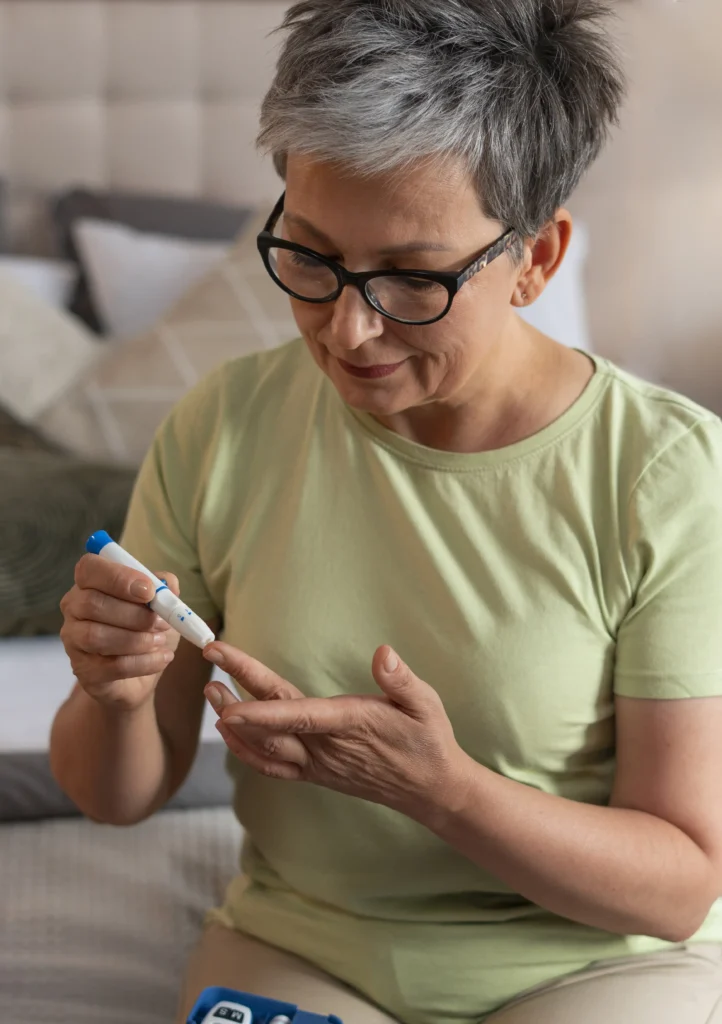
- Monitor blood glucose at home regularly and keep a record to share with your physician at each visit
- Avoid smoking and limit alcohol, both of which worsen insulin resistance and cardiovascular risk
- Check your feet daily for any cuts, blisters, or sores, as neuropathy can reduce sensation
Get a personalised diabetes management assessment from Dr. Ramesh Kumar P. Bring your most recent fasting blood glucose, post-prandial glucose, and HbA1c reports, along with a list of your current medications, for a complete and accurate evaluation.
Frequently Asked Questions (FAQs)
No. Diabetes — particularly Type 2 — is a chronic metabolic condition that cannot be “cured” by any single treatment. Homeopathy is a supportive, complementary approach that helps manage blood glucose, reduce complication risk, and improve quality of life alongside dietary correction and, where necessary, conventional medication. For prediabetes, early lifestyle and homeopathic intervention may delay or prevent progression to Type 2 diabetes.
No. Diabetes medication should never be stopped without medical supervision. Homeopathic treatment is designed to work alongside existing medication. As blood glucose improves with treatment and lifestyle changes, medication dose adjustments are a decision made by your physician based on monitored blood glucose and HbA1c levels.
Most patients notice improvement in energy, fatigue, and general wellbeing within 4–6 weeks. Measurable changes in blood glucose stability and HbA1c levels are typically observed over 2–4 months of consistent treatment paired with dietary and lifestyle correction.
Yes. Diabetic neuropathy — tingling, burning, or numbness in the feet and hands — responds well to homeopathic treatment focused on nerve health and metabolic support, particularly in early-stage neuropathy before significant nerve damage has occurred.
Yes. Homeopathic remedies are prepared in minute doses and have no pharmacological interaction with metformin, insulin, or other antidiabetic drugs. They can be safely taken alongside all standard diabetes medications.
Yes, and this is where homeopathy is most effective. Prediabetes is a reversible metabolic state where lifestyle and constitutional treatment can restore normal blood glucose regulation before Type 2 diabetes develops. Homeopathy works well in combination with diet, weight management, and physical activity at this stage.
According to the ICMR-INDIAB study, Kerala has one of the highest adult diabetes prevalence rates in India at approximately 23.6%, driven by genetic susceptibility, dietary patterns (including high refined carbohydrate intake), and sedentary lifestyle. The high prediabetes rate (18.1%) means many Kerala residents are at risk before they are even diagnosed. Homeopathy, combined with culturally appropriate dietary guidance, is a practical, long-term supportive approach for this population.
Dr. Ramesh Kumar P’s clinic in Trivandrum offers personalised homeopathic support for Type 2 diabetes, prediabetes, diabetic complications, and related metabolic conditions, with over 30 years of clinical experience. Bring your most recent blood glucose and HbA1c reports to your first appointment for a complete evaluation.